Gym Nutrition Coach
  • Food
  • Beauty Tips
  • Health News
  • Mental Health
  • Wellness Path
Subscribe
No Result
View All Result
  • Food
  • Beauty Tips
  • Health News
  • Mental Health
  • Wellness Path
Subscribe
No Result
View All Result
Gym Nutrition Coach
No Result
View All Result
Home Wellness Path

Is Xylitol Bad for Your Heart? Doctors Explain New Findings

1 week ago
in Wellness Path
Reading Time: 3 mins read
Is Xylitol Bad for Your Heart? Doctors Explain New Findings
Share on FacebookShare on Twitter

What Is Xylitol, Exactly?

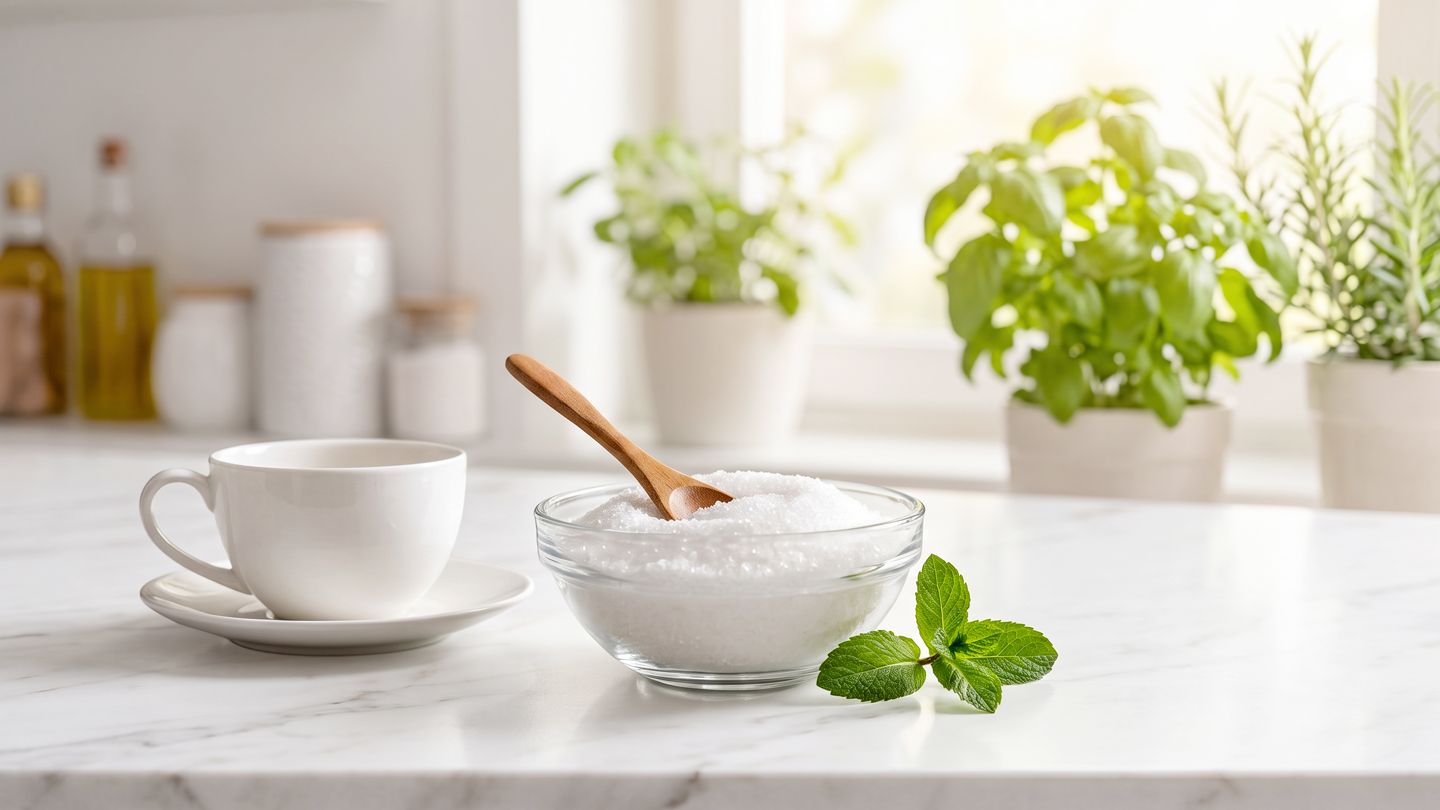
Xylitol is a low-calorie sweetener used in many sugar-free or low-calorie foods. “Sugar alcohols like xylitol are sweet-tasting and low in calories,” says Kelly Johnson-Arbor, MD, a toxicologist at MedStar Health in Washington, DC.

“It is present in trace amounts in whole fruit,” says Jamie Alan, PhD, PharmD, an associate professor of pharmacology and toxicology at Michigan State University in East Lansing. Natural sources of xylitol include plums, strawberries, cauliflower, and pumpkin, Dr. Johnson-Arbor adds.

Related articles

How to Take Creatine: Plus, Why We Paired It with Peptides

5 Simple One-Pan Dinners – JSHealth

Xylitol is known for its beneficial effects on dental health. “It prevents growth of cavity-causing bacteria and also prevents plaque accumulation in teeth,” Johnson-Arbor explains. The sweetener shows up in a range of products, including:

  • Sugar-free chewing gum
  • Toothpastes
  • Antibacterial mouthwash products
  • Sugar-free candies
  • Vitamins
  • Breath mints
  • Some peanut butters

Xylitol Has Been Linked to Heart and Brain Health Concerns in the Past

An earlier study coauthored by Witkowski and published in 2024 linked xylitol to “platelet reactivity,” suggesting that the sweetener increased the risk of blood clots that could lead to heart attack or stroke.

[2]

Another study, published in 2025, linked fake sugars to brain issues. After following nearly 13,000 adults in their fifties for about eight years, researchers linked higher amounts of several artificial sweeteners — equal to about a can of diet soda a day — to a 62 percent faster rate of decline in thinking and memory skills. Xylitol wasn’t the only sweetener flagged; the study also noted that aspartame, saccharin, acesulfame-K, erythritol, and sorbitol were concerning.

[3]

What’s Behind the Link?

More research is needed to understand a possible connection between xylitol and cardiovascular issues, but scientists have at least one theory: “Research suggests that xylitol activates platelets, which are a sticky substance in blood that stops bleeding,” says Sanjiv Patel, MD, an interventional cardiologist at MemorialCare Heart & Vascular Institute at Orange Coast Medical Center in Fountain Valley, California. “If it activates those platelets in the blood, it can form a clot anywhere in the body — including the brain, lungs, and heart.”

Witkowski says that’s the most likely explanation. “We have previously shown that xylitol can directly enhance platelet responsiveness — the ability to clump together — in human blood and that it enhances blood clot formation,” he says. That may explain why higher levels of xylitol in the blood are also linked with a higher risk of heart attack, stroke, and death, he says.

The Study Has Strengths and Limitations

The study included a large number of people across two different cohort studies, allowing researchers to analyze a lot of data.

But the research was observational and couldn’t prove that xylitol causes heart attack, stroke, or death — it simply found a link.

Should You Avoid Foods and Drinks Made With Xylitol?

“Although this association between xylitol exposure and heart disease may sound worrisome, the data supporting it remains limited, and much more research is needed to determine the exact relationship between xylitol and heart health,” Johnson-Arbor says.

Still, Dr. Patel says it’s understandable to be wary of the sweetener, especially if you have underlying risk factors for cardiovascular disease. “If you don’t need it, cut it from your diet,” he says. “But if you really want to consume it, I cannot say we have strong enough evidence to suggest you shouldn’t have it.”

Witkowski agrees that people with underlying risk factors should try to avoid having large amounts of xylitol. “Since large amounts of sweeteners are usually added to artificially sweetened foods, consumers should focus on whole foods and avoid processed foods,” he says.

ShareTweetPin

Related Posts

How to Take Creatine: Plus, Why We Paired It with Peptides

How to Take Creatine: Plus, Why We Paired It with Peptides

by admin
September 3, 2026
0

Creatine’s primary role is helping supply energy to your muscles so they can perform, recover, and adapt. But fueling the work is only one part of...

5 Easy One-Pan Dinners – JSHealth

5 Simple One-Pan Dinners – JSHealth

by admin
September 2, 2026
0

One-pan meals have always been a JSHealth classic. They’re easy to make without sacrificing on flavor or nourishment.  Simply load up one pan with wholesome ingredients,...

Avoid These 9 Supplements if You Have Ulcerative Colitis

Avoid These 9 Supplements if You Have Ulcerative Colitis

by admin
September 1, 2026
0

3. High-Dose Vitamin CSome people turn to vitamin C during the winter months to give their immune system a boost. While research hasn’t shown that supplementing...

Creatine's Secret Ally: Peptistrong | HUM Nutrition Blog

Creatine’s Secret Ally: Peptistrong | HUM Nutrition Blog

by admin
August 31, 2026
0

Creatine is having a moment, and as a Registered Dietitian, I’m here for it. But here’s what most people don’t know: creatine has a secret ally,...

Why It Happens and How to Cope

Why It Happens and How to Cope

by admin
August 30, 2026
0

How to Cope With a Loss of Identity in Postpartum DepressionIf you’re struggling with a loss of identity in PPD, these five expert tips can help.1....

Next Post
The Corporate Playbook Behind Undermining Dietary Guidelines

The Corporate Playbook Behind Undermining Dietary Guidelines

Pre-Surgical Complications (Part 2) – The Health Care Blog

Pre-Surgical Complications (Part 1) – The Health Care Blog

Bath & Body Works Reserve Collection products styled on a wooden table, including a lit three-wick candle, a reed diffuser, a boxed Sea Salt + Musk candle and a Vanilla + Tonka room mist.

Bath & Body Works’ New Collection Skips the Kitsch Entirely

    Get daily news updates to your inbox!

    CATEGORIES

    • Beauty Tips
    • Food
    • Health News
    • Mental Health
    • Wellness Path

    RECOMMENDED

    Pre-Surgical Complications (Part 2) – The Health Care Blog
    Health News

    Pre-Surgical Complications (Part 5) – The Health Care Blog

    August 15, 2026
    Physical health checks for people with SMI
    Mental Health

    Physical health checks for people with SMI

    August 6, 2026
    Gym Nutrition Coach

    Your trusted source for simple, reliable tips to live healthier, feel better, and thrive every day.

    Copyright © 2026 gymnutritioncoach.com | All Rights Reserved

    • Contact us
    • Privacy Policy
    • Terms & Conditions
    • Email Whitelisting
    • Food
    • Beauty Tips
    • Health News
    • Mental Health
    • Wellness Path

    Copyright © 2026 gymnutritioncoach.com | All Rights Reserved