How Alcohol Interacts With Oral GLP-1s
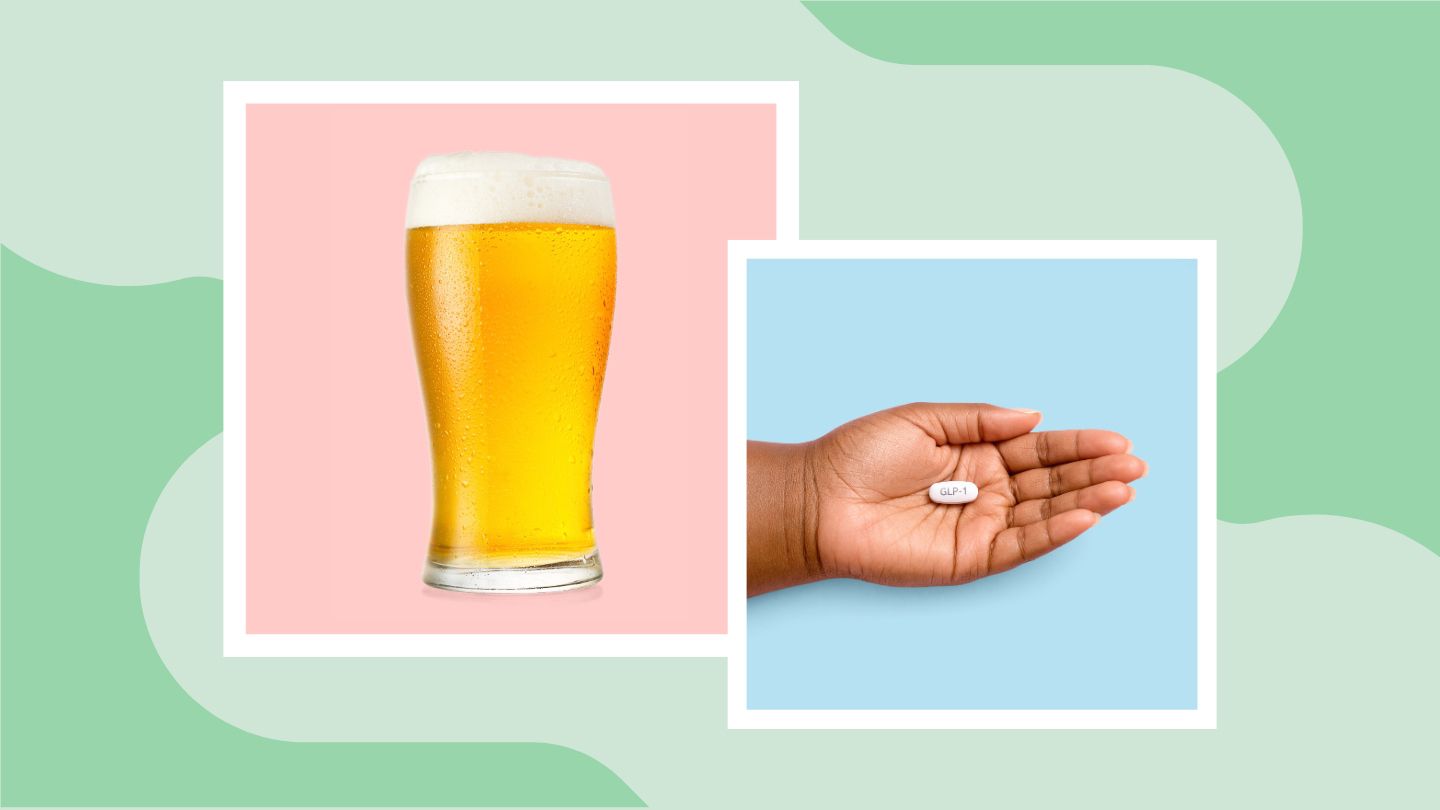
Alcohol may not directly interfere with how well oral GLP-1 medications work in the body, says Connor, but it can affect how you feel during treatment.
Alcohol Can Worsen Digestive Side Effects
Both alcohol and oral GLP-1s can cause nausea, vomiting, diarrhea, and acid reflux — and drinking alcohol while taking an oral GLP-1 may bring on these symptoms, especially when you first start treatment or increase your dose, says Christopher Weber, MD, CSCS, an obesity medicine specialist at Ascension Medical Group Columbia St. Mary’s Ozaukee Campus in Mequon, Wisconsin, and an Obesity Medicine Association Board of Trustees member.
[5]
[2]
[3]
Some people taking GLP-1 medications also feel less thirsty and drink less water than usual, which may increase the risk of dehydration; alcohol, too, can increase the risk of dehydration since it acts as a diuretic.
[6]
[7]
If you experience vomiting or diarrhea from drinking alcohol or as a side effect of your GLP-1 medication, you can lose even more fluid, which may worsen dehydration, Connor says. Dehydration can lead to kidney problems and other serious complications.
[8]
Heavy or binge drinking can also lead to pancreatitis, or inflammation of the pancreas. Both oral GLP-1 medications carry warnings about pancreatitis, and heavy alcohol use is also a risk factor for this condition, Barefield says. Binge drinking generally means having four or more drinks for women or five or more for men within about two hours.
[9]
Talk with your prescriber if you take a GLP-1 medication and drink heavily or have a history of pancreatitis.
Alcohol May Lower Your Blood Sugar
If you don’t have diabetes, taking an oral GLP-1 isn’t likely to cause hypoglycemia alone (low blood sugar), says Connor, but it can still temporarily lower your blood sugar by making it harder for the liver to release stored glucose into the bloodstream, notes Barefield.
If you drink on an empty stomach or after eating very little, Connor says alcohol may cause your blood sugar to drop. Your risk of low blood sugar is higher if you also have diabetes and use insulin or take a sulfonylurea, because these medications lower blood sugar, too.
[10]
Drinking May Make Your Next Dose Harder to Tolerate
If you take an oral semaglutide the morning after drinking alcohol, it shouldn’t directly affect how your body absorbs the medication, says Connor. As long as you’re not having nausea, vomiting, diarrhea, or symptoms of dehydration, you can likely just follow the medication’s usual fasting and dosing instructions, she says.
Alcohol is also not known to affect how your body absorbs orforglipron, even if you take the medication the morning after drinking, Dr. Weber says.
If vomiting, diarrhea, or dehydration makes it hard to take either medication, contact your healthcare provider for advice about how to take your next dose.
If you are experiencing symptoms such as headache, nausea, vomiting, and diarrhea the morning after drinking a large amount of alcohol, you may not be able to tolerate a GLP-1 pill or follow your usual medication routine, says Meghan Garcia-Webb, MD, a triple board-certified internal medicine, lifestyle medicine, and obesity medicine physician in private practice and an internist at Beth Israel Lahey Health Primary Care in Wellesley, Massachusetts.
[7]
Regular heavy drinking can damage the lining of your intestines, making it harder for your body to absorb nutrients from food.
[11]
Because GLP-1 medications can also reduce how much you eat, the combination may limit your nutrition, Dr. Garcia-Webb says.
Reach out to your provider if you’re having trouble taking the medication as prescribed.